
What 10,000 Corals Actually Look Like
Written by Kananiokekai Guerrero
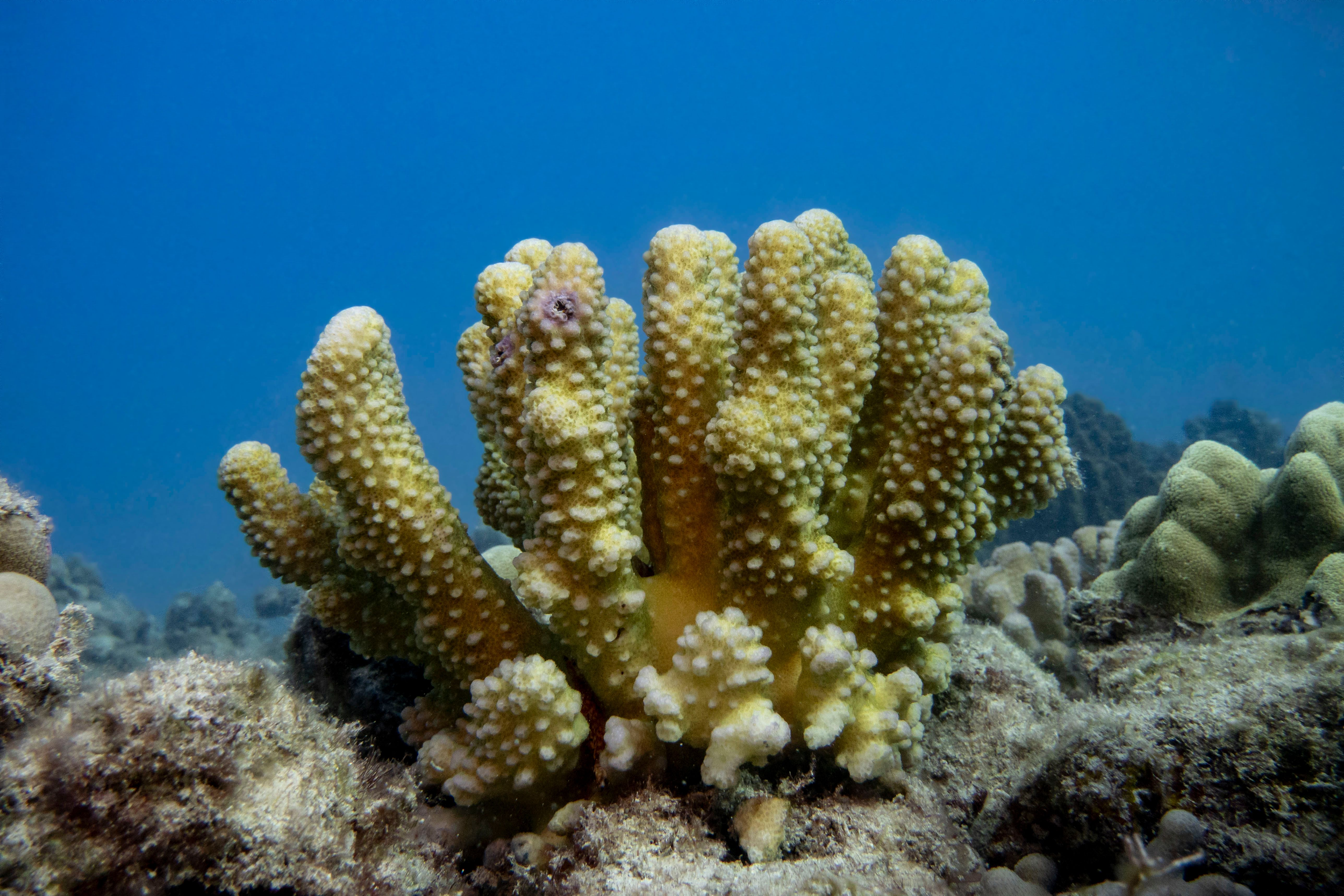
The 10,000th coral colony restored by Kuleana Coral (Credit - Blake Nowack)
You’ve probably seen the number by now. 10,000 corals restored. It’s been shared, celebrated, and announced, and it deserves every bit of that. But behind a milestone like this, there’s a story that press releases don’t really have room for. So here it is.
It didn’t start with a number
KCR wasn’t founded around a target. It was founded in 2019 by local fishermen, scientists, and ocean advocates who were watching the reef decline and decided that watching wasn’t enough. The Waiʻanae Coast wasn’t chosen as a headquarters because it was convenient. It was chosen because it’s home. These are the waters that raised this community, and the people who started this work felt that responsibility in their bones.
The first restoration methods were piloted right off the coast of Hāniʻo. Those early dives were about figuring out what actually works here, in these specific waters, with these specific corals. Not copying a model from somewhere else and hoping for the best. Just doing the slow, unglamorous work of learning.
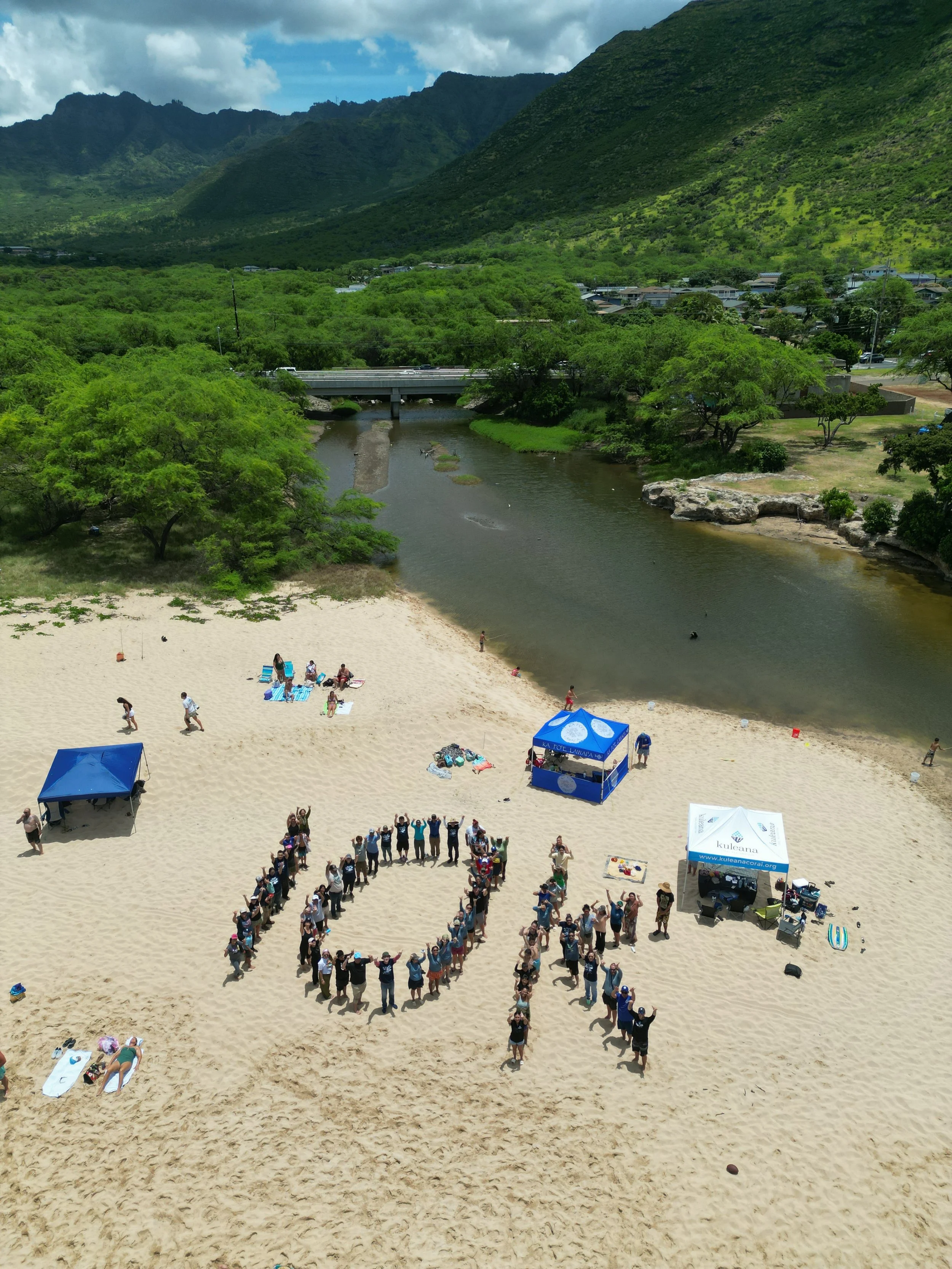
KCR 10K milestone group photo at the Nānākuli Restoration Site (Credit - Davin Carvalho)
What the number actually represents
10,000 sounds clean. The reality is anything but. It’s early mornings and long surface intervals. It’s community volunteers who showed up not because they had to but because they genuinely cared. It’s partners like SHEBA, NOAA, Ko Olina Resort, and a whole network of grassroots organisations who believed in this model before it had a milestone attached to it.
As COO Blake Nowack put it, the corals are something to be proud of, but the capacity built around them is what really matters. Thousands of people have poured their time and knowledge into this work. That community doesn’t disappear when a dive day ends. It’s the foundation everything else is built on.
One of the most exciting next steps…
This summer, KCR is installing two coral nursery tables on the Waiʻanae Coast. Not just as working nurseries to hold corals, but as living classrooms. Places where the next generation of reef stewards can get their hands on this work before they’re old enough to wonder if it’s too late.
That’s what the Coral Occupational Applications & Scientific Techniques (COAST) program is really about too. Workforce development sounds like a policy term, but in practice, it means giving local people, Native Hawaiians, and Pacific Islanders from these exact communities a real career pathway in conservation. Not just a volunteer opportunity. An actual future in this field.
As Executive Director Alika Garcia said, ten thousand corals is a milestone, not a finish line. The last six years were about learning what works. Now it’s about applying those lessons at a scale that matches the challenge.
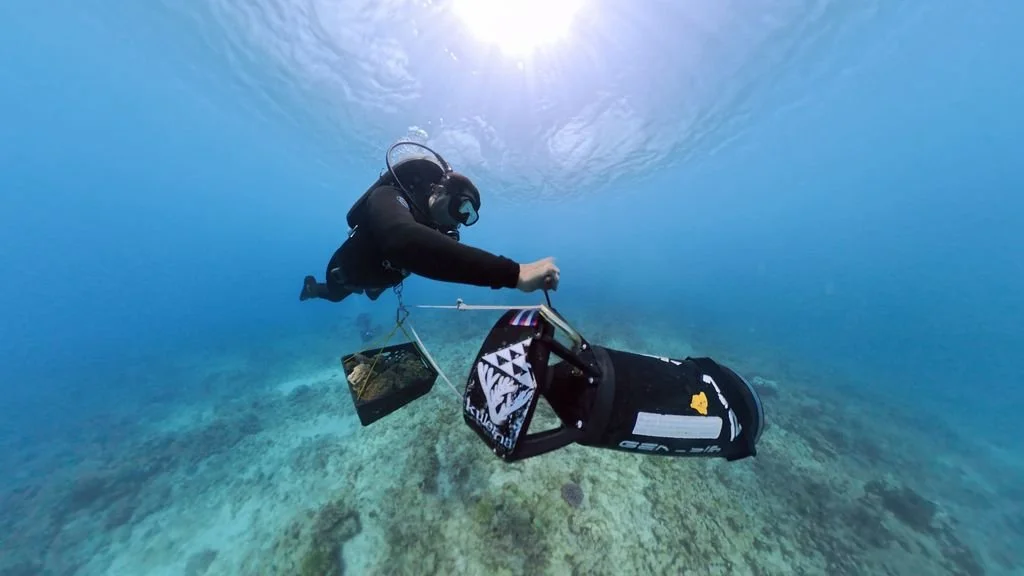
Alika Garcia transporting corals of opportunity to the restoration site (Credit - Baylee Jackson)
What you can do with this moment
If you’ve followed KCR’s journey, donated, shared a post, or showed up to a community workday, this milestone belongs to you too. Reef restoration is a team effort, and there’s a place for everyone to make a difference. Throughout the year, our community workdays give volunteers the chance to prepare corals before they’re planted onto the reef. It’s a hands-on way to support restoration, connect with others who care about the ocean, and play a meaningful role in protecting Hawaiʻi’s reefs for generations to come.
The reef gave this community everything. 10,000 corals is us starting to give something back. Get involved and become a part of the next 10,000 corals!
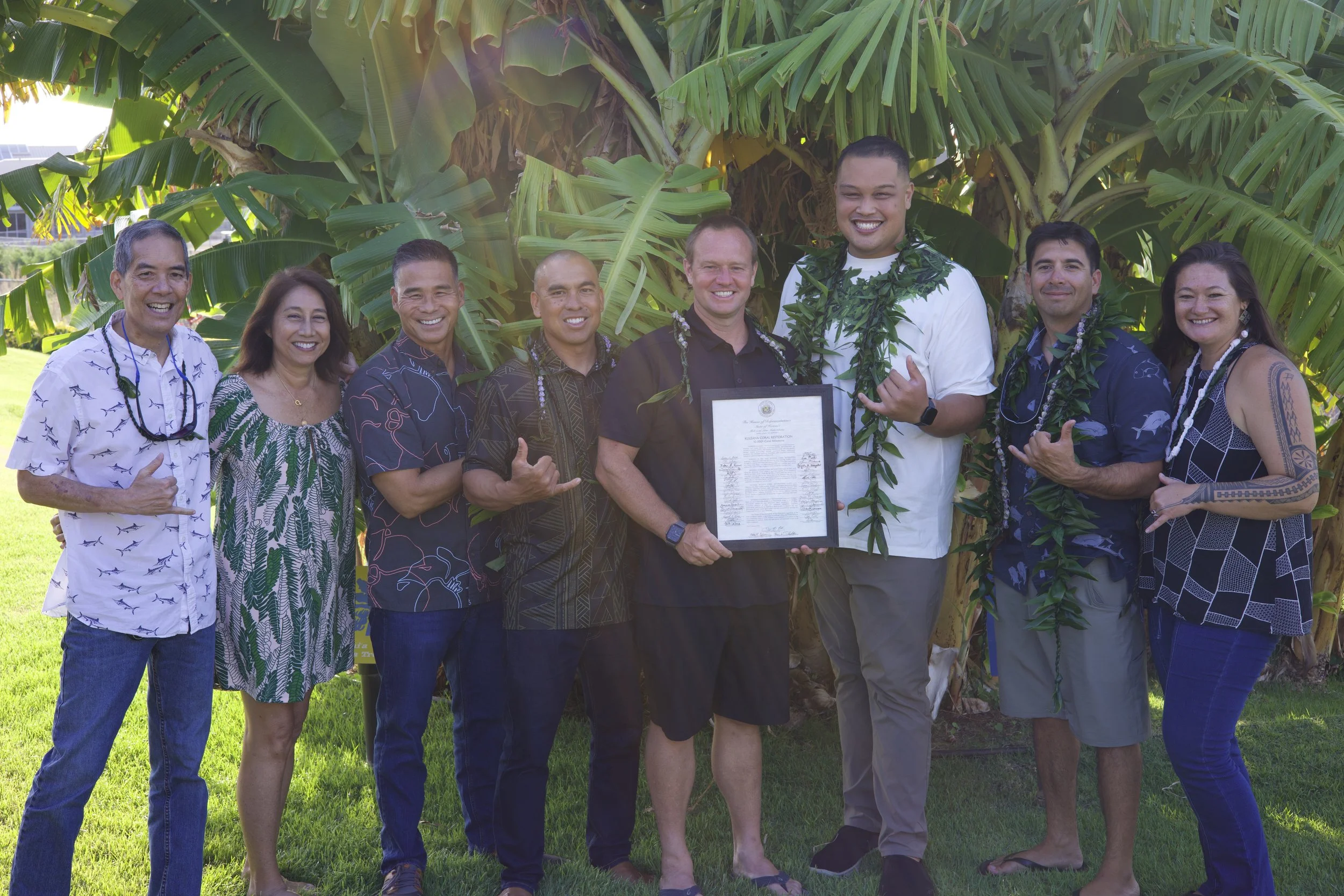
Kuleana Coral Restoration Founders and Board of Directors recognized by the Hawaiʻi House of Representatives for the 10K corals restored milestone (Credit - Baylee Jackson)
