
10 Ways to Care for Coral
Written by Kananiokekai Guerrero
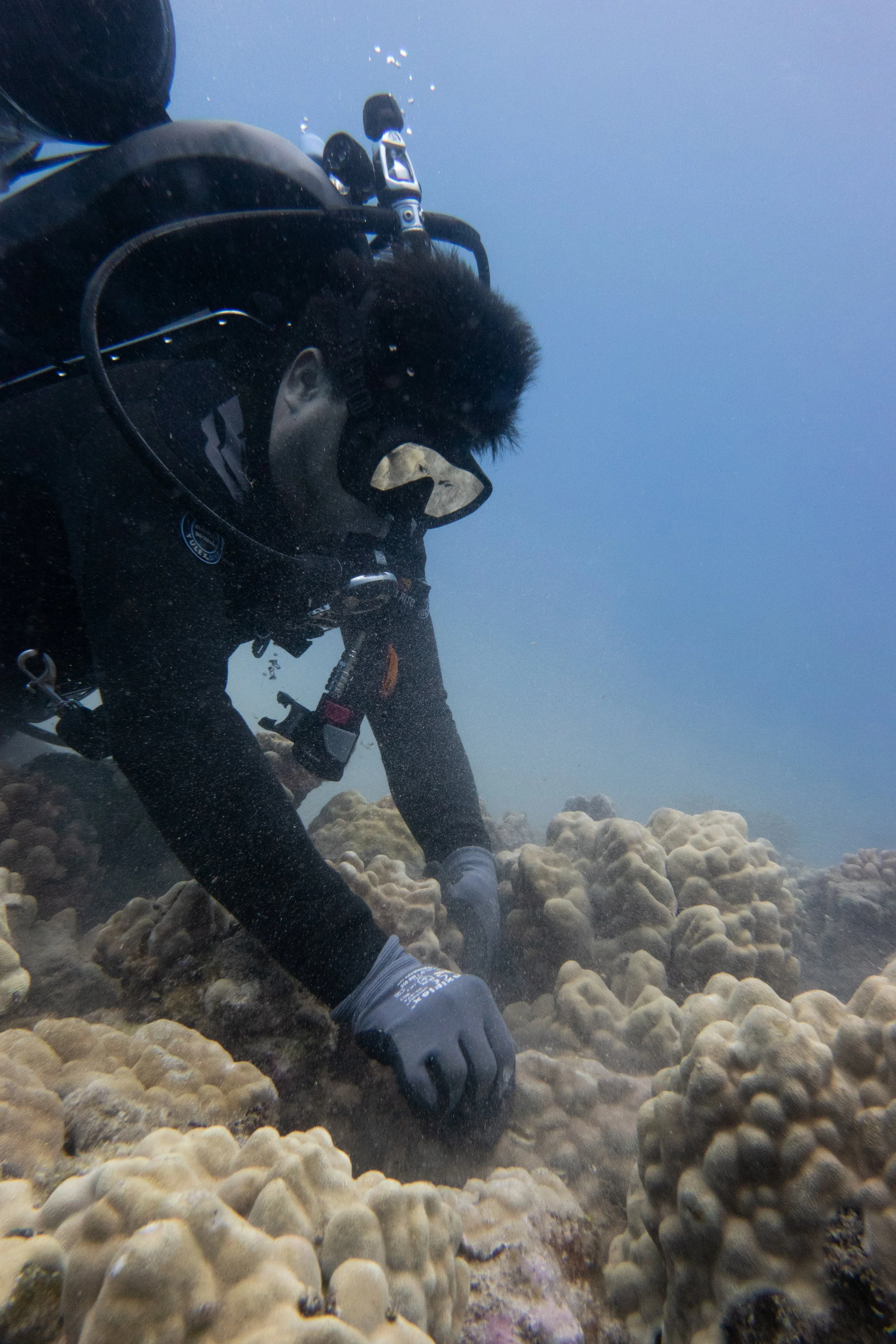
Kuleana Coral Founder and Executive Director, Alika Garcia, restoring coral in Maunalua Bay (Photo: Ari Halperin)
We just hit 10,000 corals planted in Hawaiian waters. Ten thousand coral colonies were given a second chance on a reef that needs them, and that number happened because of a community that keeps showing up. Every coral helps rebuild habitat for fish and strengthens the reef for future generations.
But restoration alone can’t save the reef. It needs all of us — whether you live five minutes from the water or five thousand miles away. Here’s where to start.
1. Switch your sunscreen
Oxybenzone and octinoxate, two of the most common chemical UV filters, are toxic to coral even in tiny concentrations. Swap to a mineral sunscreen with non-nano zinc oxide or titanium dioxide, or wear a rash guard.
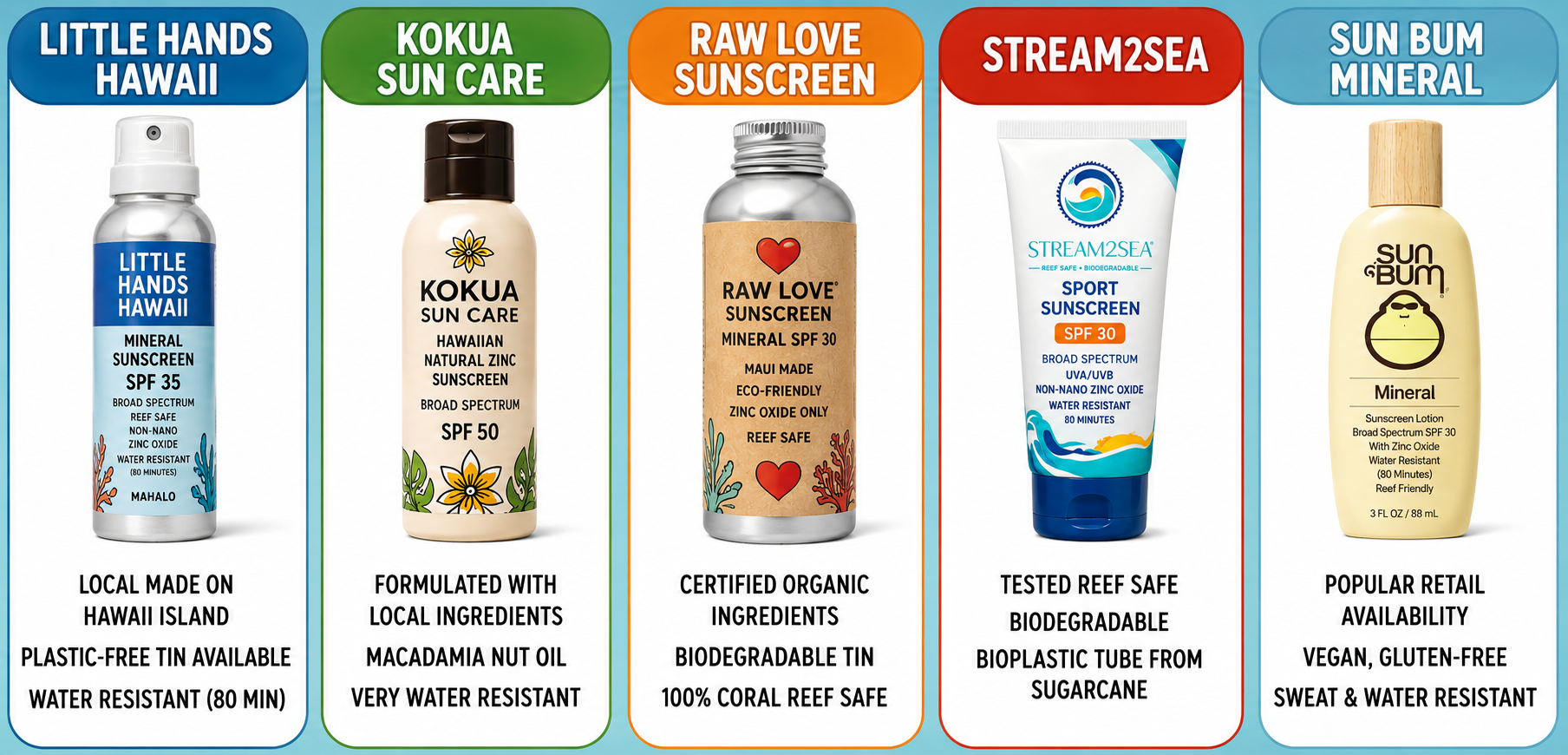
Local reef safe sunscreen options
2. Don’t touch the coral
Even one touch can damage the thin mucus layer that protects coral from disease and infection. If you’re ever in the water near a reef, work on your buoyancy and keep your hands to yourself. In Hawaiʻi, our corals are already under enough stress. Avoid touching coral or kicking it with your fins.
3. Watch where you drop anchor
One anchor can shatter decades of coral growth in seconds. Use mooring buoys wherever they exist, and advocate for them where they don’t. This kind of damage is entirely preventable.
4. Think ridge to reef
In the traditional Hawaiian ahupuaʻa system, they understood that the actions on the mountain would eventually affect the reef. Fertilizers, pesticides, and household chemicals wash down drains and into the ocean, and this issue isn’t limited to coastal areas. Choose reef-safe products and be mindful of what you flush down the drain, as it can significantly impact marine life.

The Nānākuli restoration site demonstrates the connection from mauka to makai (ridge to reef) (Photo: Davin Carvalho)
5. Eat Seafood Responsibly
Fish like uhu (parrotfish) and manini (convict tang) graze the algae that would otherwise smother coral; they’re the reef’s maintenance crew. Overfishing removes them, and the reef pays for it. Support sustainable fishers, ask where your seafood comes from, and choose responsibly sourced options. What’s on your plate has a longer reach than you’d think.
6. Help Reduce Climate Impacts
Ocean warming and acidification are the single biggest long-term threats to coral reefs globally, and bleaching events in Hawaiʻi are getting more frequent and more severe. Reduce your own emissions where you can, and support policies and leaders that take this seriously. The reef is already bearing the repercussions of past decisions. Our actions in the present will determine its future.
7. Leave everything where you found it
No coral, shells, or marine life, alive or dead. Even empty shells and coral fragments provide substrate for new recruits and shelter for invertebrates. The reef doesn’t have spare parts.
8. Get your hands involved
Certified divers in Hawaiʻi can join reef monitoring programs. Citizen science is real science. Not a diver? Shoreline cleanups and conservation events need people too. Far from the ocean? Keeping inland waterways clean is reef care at a distance. Showing up counts, wherever you are.
9. Talk about it — especially with kids
Talk about it, watch a documentary, or point it out at an aquarium. Every conversation helps build a deeper appreciation for coral reefs, no matter where you live. The next generation of reef stewards has to care before they can protect.
10. Support the people doing the work
Kuleana Coral Restoration was built by fishermen and ocean stewards who watched the reef decline and chose to act. If you live in Hawaiʻi, volunteer at our community events. If you’re across the world, donate and share our work. Every dollar, every share, every conversation moves this forward. The reef doesn’t care where you live, and neither do we.
10,000 corals restored. We’re just getting started.
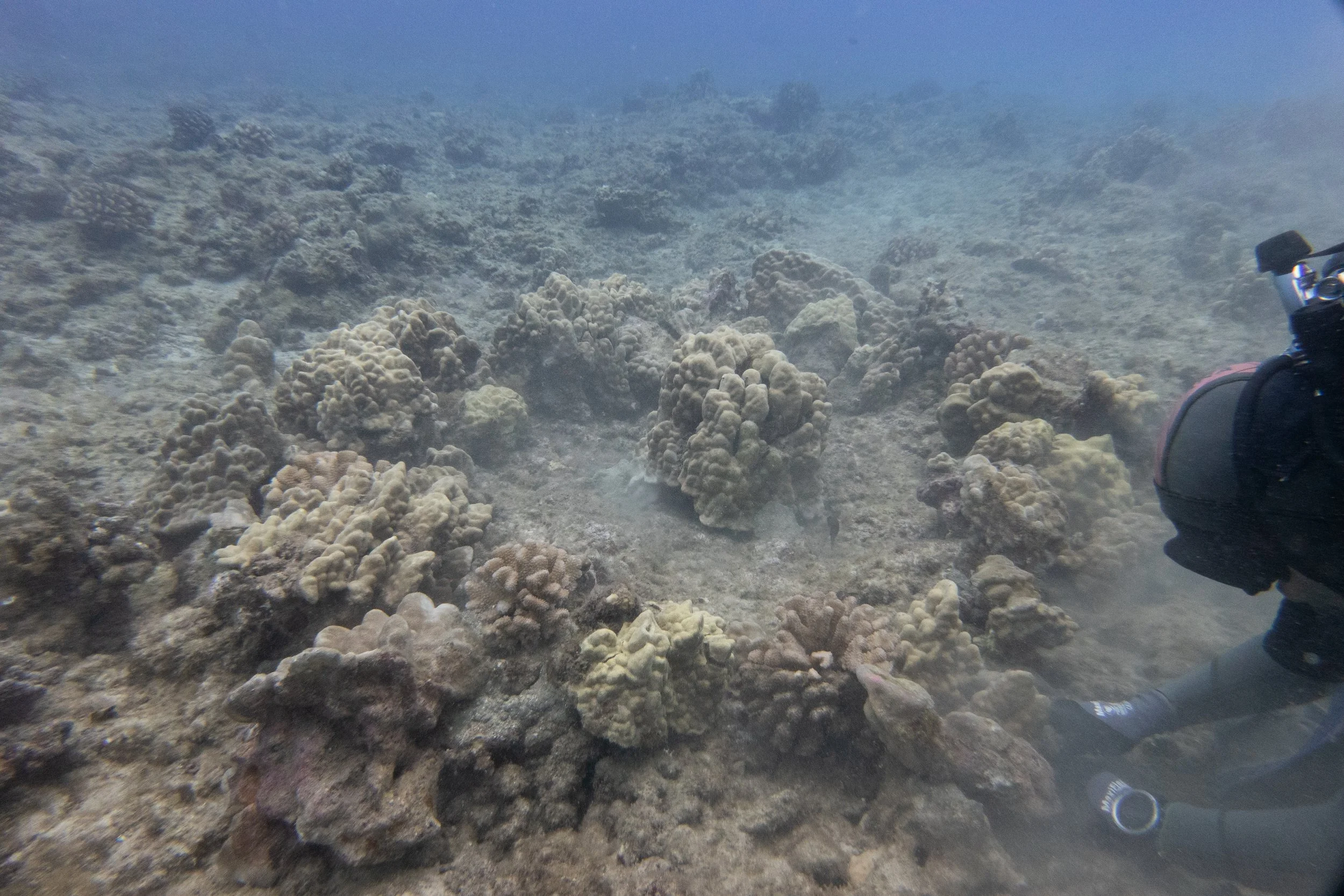
A KCR diver restores a ring of coral colonies in Maunalua Bay (Photo: Ari Halperin)
